HUNGER IS NOT A GAME
May 16, 2025
When a billion people go hungry each day, how can we spend another dollar on war?
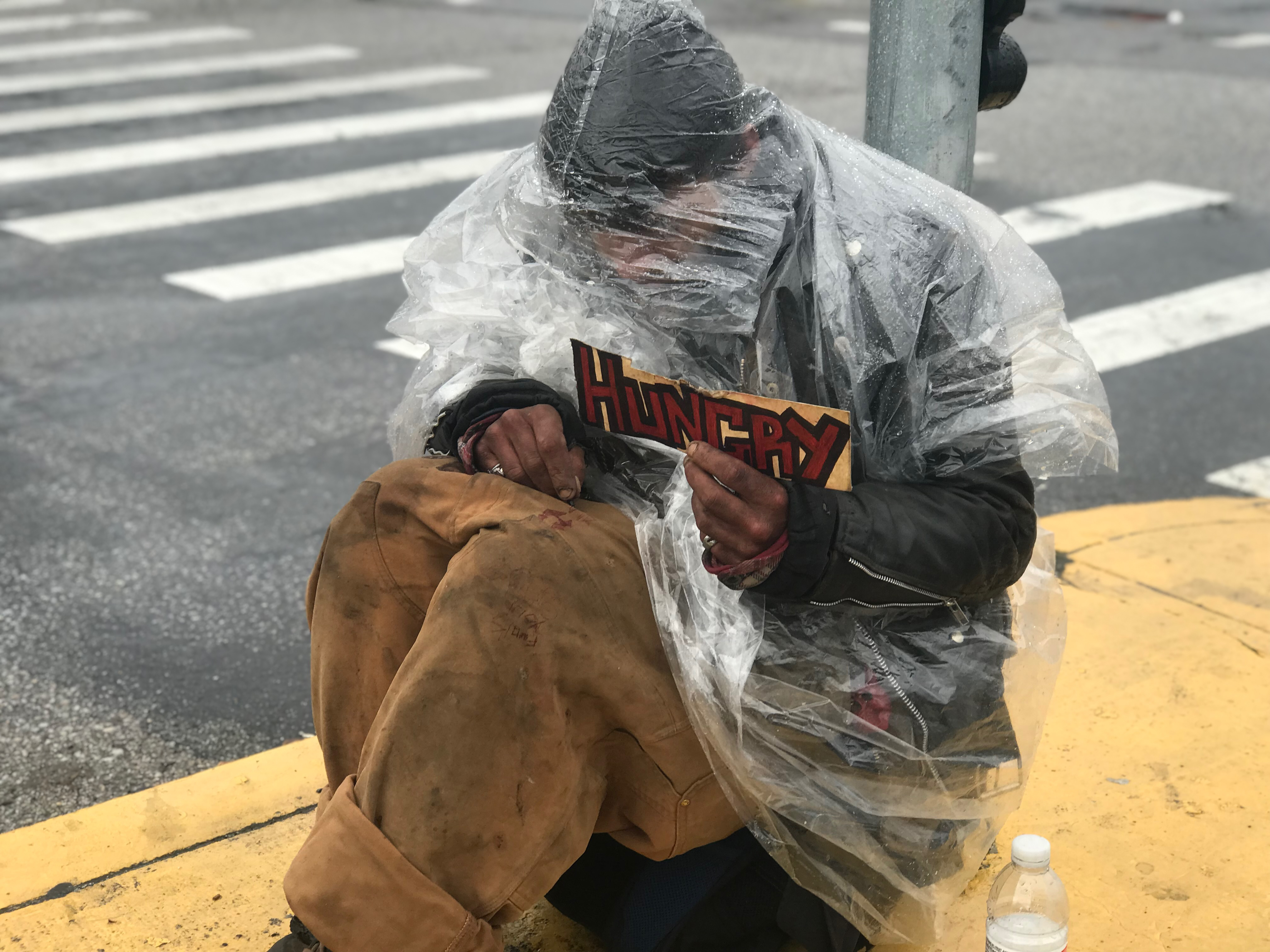
We need Food Not Bombs more today than at any point in our 45 year history. President Trump has proposed the first trillion dollar military budget an increase of 13 percent to $1.01 trillion in Pentagon spending while also proposing 22% in cuts for social services. President Ronald Reagan 2.0.
The lines of people seeking meals at Food Not Bombs grow longer month after month. American seniors call me all day long distressed that they have no food.
“I worked my whole life and always paid my taxes but now I am forced to beg for help. This is embarrassing” Jim said adding that all the pantries in his area have closed because they couldn’t keep up demand. I could hear his tears over my phone. Hour after hour calls of desperation. One has not eaten in three days. Another is eating cat food. All one woman has left is a box of Cheerios. It is heartbreaking that often all I can do is suggest they call their local 211 help line.
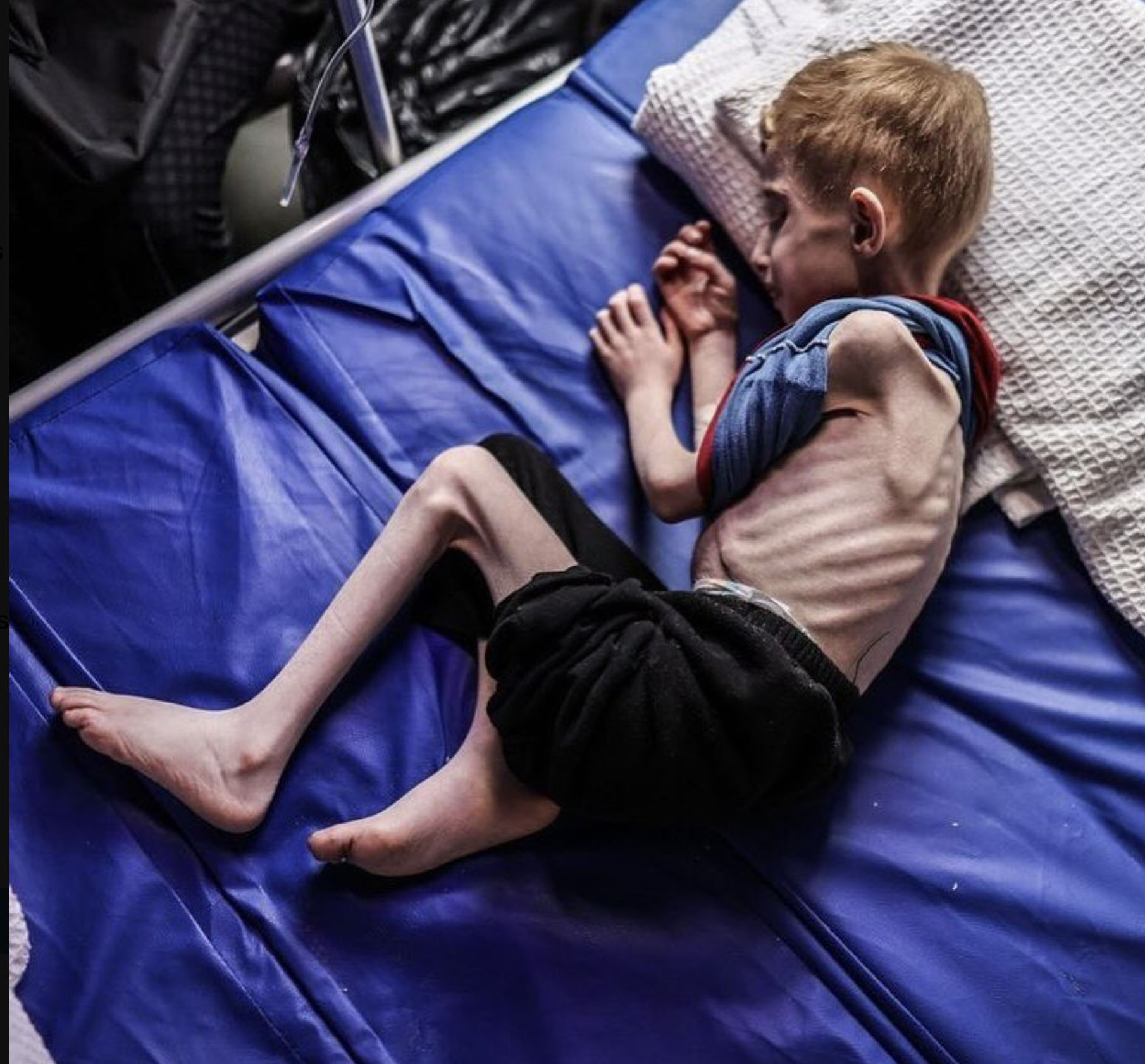
But nothing can match the shear horror of Israel and the United States starving two million Palestinians reducing thousands of children to skin wrapped skeletons.
On October 9, 2023, Israeli defense minister Yoav Gallant ordered a “complete siege” on Gaza, pledging that “There will be no electricity, no food, no water, no fuel. Everything will be closed.”
Thousands of truckloads of food have been blocked for over 70 days sitting but a few miles from these desperate mouths. the Integrated Food Security Phase Classification report saids nearly 71,000 cases of acute malnutrition among children under five are expected between April 2025 and March 2026. We have gone from witnessing drone video of the February 29, 2024,Flour Massacre killing over 100 Palestinians as they struggled to grab food for their families to images of starved sunken eyed children breathing their last breathe.
When Food Not Bombs started during the May 24, 1980 Occupation Attempt of Seabrook Nuclear Power Station the eight of us could not have imagined that four and a half decades later that we would have provided billions of meals with the hungry. Yet the wars would also continue. Wars of famine and wars of genocide. A billion dollars in naval forces, lost F 18 Super Hornets and US Air Force MQ-9 Reaper drones lost in one month this year defending Israel’s right to exterminate the families of Gaza.
The idea that Food Not Bombs volunteers would be sharing food in Moscow, Russia would have seemed impossible in those days when we were busy organizing for protests like the June 12, 1982 March for Nuclear Disarmament where over a million protesters walked across Manhattan to the Great Meadow that day. A world without a Soviet Union was unimaginable.
Food Not Bombs started when my friend Boston University Law student Brian Feigenbaum was arrested during our May 24th attempt to stop the nuclear power station on the New Hampshire coast. We found someone who could bail out Brian and that evening as we chugged back to Boston we agreed to raise the funds needed to repay his generosity by holding bake sales.
Well that was not at all lucrative but we did have a moving company called Smooth Move and one of our customers was discarding a yellow and green poster that said, “It will be a great day when our schools get all the money they need and the Air Force has to hold a bake sale to buy a bomber.” It was a light bulb moment for our little collective. We bought surplus military uniforms, mounted the poster on cardboard, dressed as generals and headed out with our baked goods asking pedestrians to help us buy a bomber. We had stumbled onto an effective way to get an otherwise distracted public to hear our message.
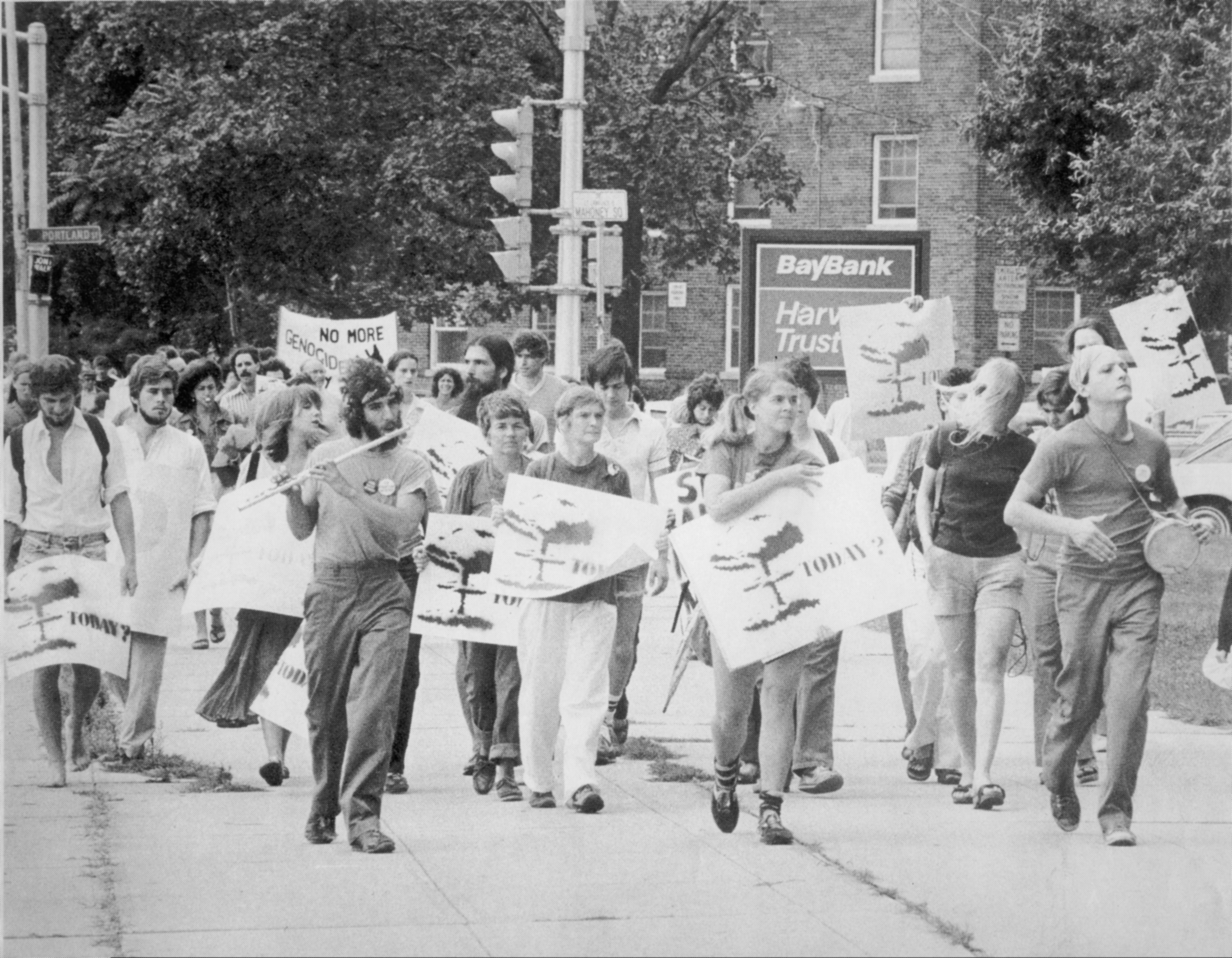
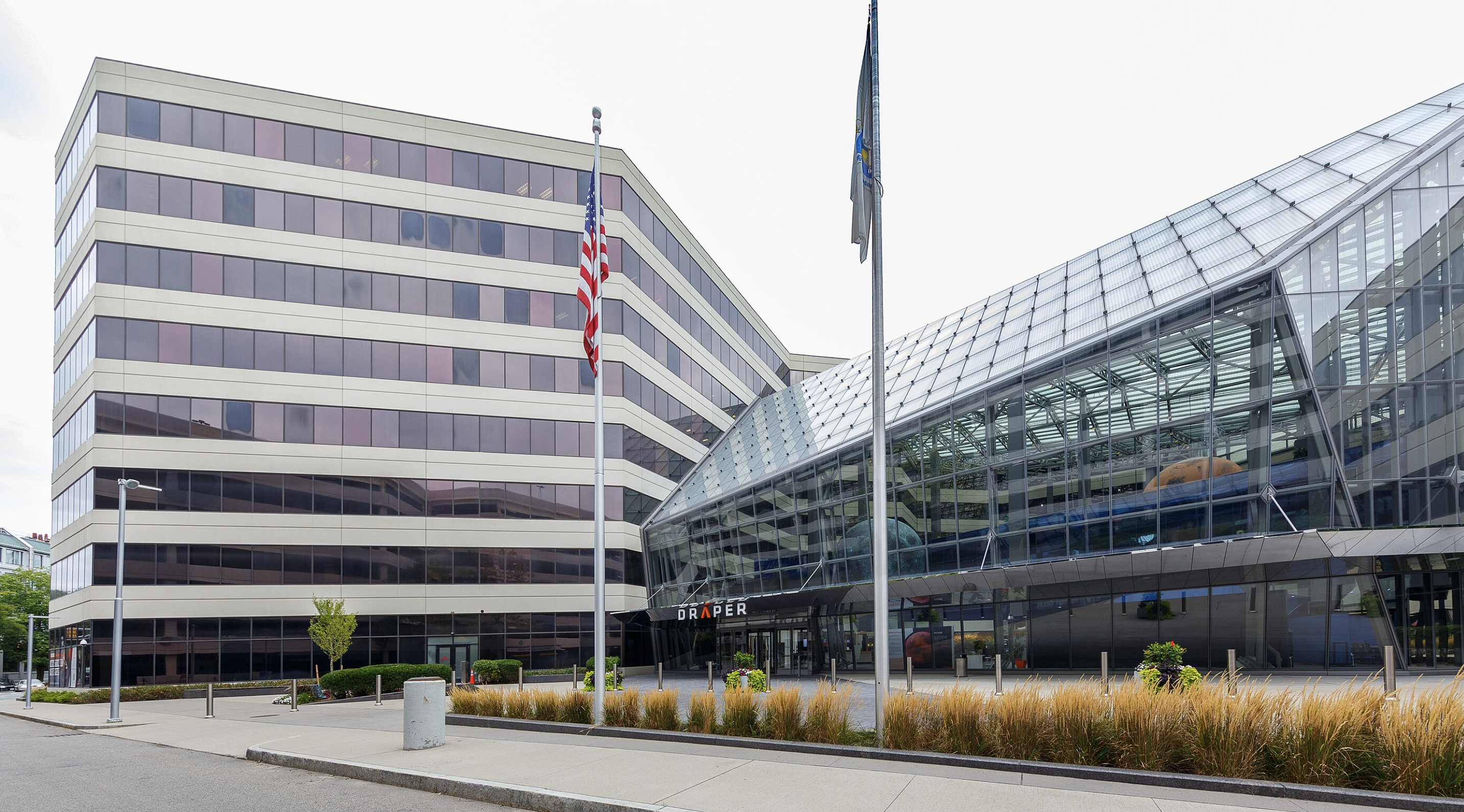
While we were pitching our baked goods for bombers we also learned of planned protests in Germany against the deployment of the Pershing II nuclear weapons on their streets. In solidarity, Food Not Bombs and Cambridge City Council organized an October 10, 1981, march from City Hall to Draper Nuclear Lab. A tiny story in the Boston Globe that week noted that nearly 300,000 people took part that day in Bonn West Germany. Our march only attracted about 100 people but it was an important step in our campaign to mobilize for the nuclear disarmament protest in New York.
Later that month on a drizzly Halloween night Vice President George HW Bush spoke at MIT about those protests. About 3000 came out to the protest that ended with many of us dancing around a bonfire of wooden police barricades in the middle of Massachusetts Avenue.
“It is one of the exquisite ironies of our times that the United States should find itself in this position,” Bush said. ‘The Soviet disinformation apparatus is as disquieting as it is dishonest, but it has not been unsuccessful. These protesters are not only the most recent ones to have been attracted by the argument that the world has more to fear from America than it does from the Soviet Union.”
“Most of the people who turned out to demonstrate against NATO’s nuclear forces are well-intentioned men and women,” he continued. “Many of them are young, too young to have had first-hand knowledge of World War II. I don’t question their idealism.”
Even though Bush portrayed our call for an end to the cold war as naive our campaign for nuclear disarmament would play an important role in pushing President Ronald Reagan and Soviet leader Mikhail Gorbachev to sign the Intermediate-Range Nuclear Forces Treaty in 1987easing the threat of a nuclear conflict.
The Trump administration withdrew the United States from that treaty in August 2019, and Russia reciprocated by suspending its participation.
Now the US plans to deploy the Tomahawk Block IV cruise missile systems in Germany returning to the days when the Pershing missiles lumbering across the cobble stone streets. Maybe it time to launch another mass mobilization against the nuclear threat.
After we started our “bake sales for bombers” street performances the original Food Not Bombs group began organizing against the banks that were investing in the Seabrook Nuclear Power Station and were profiting from the nuclear weapons industry.
We organize a theatrical soup line outside of the Bank of Boston’s stockholders meeting on March 26, 1981. I designed a flyer to show the connections between the bank and the military contractors with a warning that Reagan’s policies and those of the banks could lead to a future where Americans would have to seek food at soup kitchens.
Our friends were invited to dress as Depression Era hobos but as we were preparing a huge sixty quart pot of stew we realized we had not recruited enough people to have the shock value of a real soup kitchen. At around midnight I went to the Pine Street Inn Homeless Shelter and gave a speech about our protest and invited them to join us. One man excitedly responded, “cool, a protest like we did in the sixties.”
Nearly everyone I had spoken with at the shelter showed up. The first man we shared our soup with responded with “God bless you,” gently bowing his head. One by one they stepped forward for their cup of warmth offering a heart felt thanks. A young business man expressed alarm that Reagan had only been in office for a month and people were already standing in line to eat. The guys who ate with us suggested we share food everyday since there was no place for Boston’s homeless to get a free meal. It is difficult to imagine now but in 1981, homelessness in America was not a thing.
That evening we agreed to give our bosses two weeks notice so we could focus full time on recovering and delivering food while preparing meals to share at Harvard Square or outside Park Station Subway Station on the Boston Commons. I was a produce worker at Bread and Circus Natural Food Grocery and had been taking the food I was discarding to the mothers at the pubic housing projects on Portland Avenue. My boss agreed to let me continue to recover the discarded food.
One morning while dropping off food to the projects the women who I had been helping pointed out that a new building had just opened across the street. The women said scientists were designing nuclear weapons in the new offices, inspiring us to adopt the name Food Not Bombs.
I moved to San Francisco in 1987 with my wife Andrea and our Afghan Hound Bear. One morning we hear news that Veterans For Peace activist Brian Williams had been hit by a munitions train at the Concord Navel Weapons Station in the East Bay. He was participating in a campaign to stop weapons shipments to the wars in Central America called Nuremberg Action. Food Not Bombs had supported Brian and the other Veteran’s For Peace activists during their fast in Boston and I was stunned by reports that Brian’s legs had been severed so Andrea and I were moved to attend the protest that weekend. When we returned home and switched on the TV to watch the news reports on that day’s rally Andrea suggested I start a second Food Not Bombs group.
We pulled together a few volunteers meeting at a Chinese restaurant on Haight Street and agreed to share our literature and meals at the entrance to Golden Gate Park at Stanyan Street. We learned that there were no free meals in the Haight on Mondays we agreed to fill that day.
A hippy looking man stopped by our meal and suggested we could get a permit from the Recreation and Parks Department. I wrote Director Peter Ashe on July 11, 1988 requesting the suggested documents. Police officers would pass by our meal each Monday and ask if we had received a permit yet and I would walk over to the parks department office to find out the progress. No one there knew what I was talking about but agreed to take a message.
On August 15, 1988 the San Francisco Tactical Squad marched out of the woods and arrested nine of us. Local photographer Greg Garr took pictures of the police blocking people from getting food. His photo appeared with a UPI story of the arrests in Tuesday’s San Francisco Chronicle inspiring outrage.
A week later a couple hundred people marched down Haight Street many banging spoons on pots while others carried buckets of stew and fruit salad or cases of produce and bagels. We set up at the entrance to the park. The police arrested 24 volunteers and the FBI Joint Terrorism Task Force took notes sending a memo on August 29th to the San Francisco Field Office claiming that Food Not Bombs was “a credible national security threat” even though we had just three chapters and a total of 30 volunteers.
The August 22nd arrests made CNN, the New York Times, The Times of London and several other news outlets. People started to send request for information on how to start their own chapter in defiance so I took my notes on how I formed the San Francisco group and made a flyer called “Seven Steps to Starting a Local Food Not Bombs Group.” I still mail copies out to people wishing to start their own local chapter.
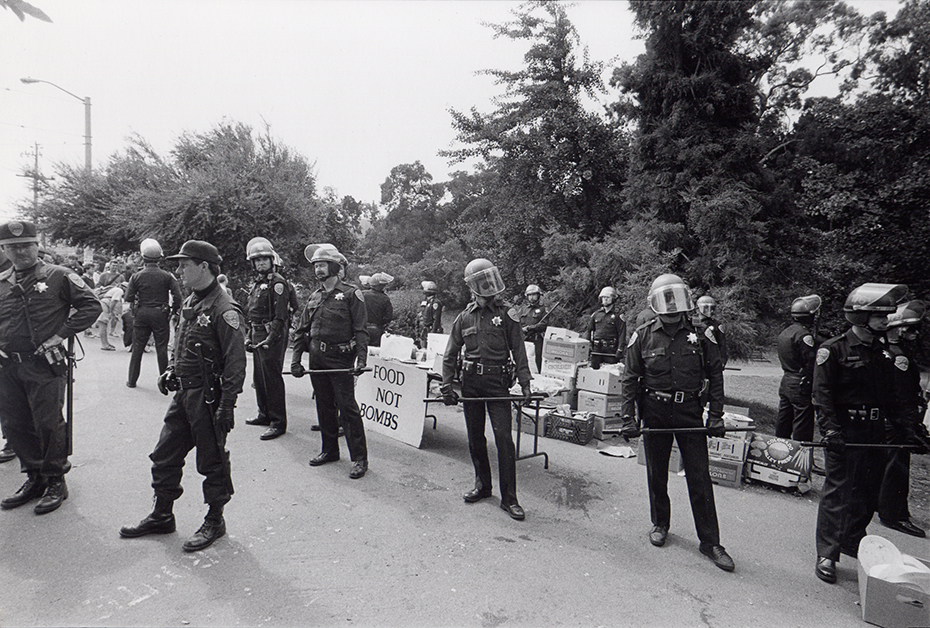
The San Francisco Police made a total of 1,000 arrests over eight years. News of these arrests would inspire others to start chapters in their cities. We organized our first International Gathering to coincide with the indigenous community’s protest against the 500th anniversary of Columbus invading the Americas. The national celebration was held in San Francisco since the city had the longest running Columbus Day parade in the United States. During our two day gathering we agreed on our three principles.
1. The food would always be vegan or vegetarian and free to anyone, rich or poor, stoned or sober.
2. That each group is autonomous and uses a process of consensus to make decisions. There are no leaders, presidents or directors, and no headquarters.
3. Food Not Bombs is not a charity but is dedicated to using nonviolent direct action to change society so no one needs to stand in line to eat at a soup kitchen.
After the gathering we joined the protest at Aquatic Park witnessing the indigenous elders push the official Columbus back out into the bay as we shared breakfast with the protesters before heading to Civic Center Plaza to feed the main rally against the 500 years of exploitation.
The Savings and Loan crisis was raging that across the country that same year tossing families out of their homes. That November the San Francisco Tenants Union and Food Not Bombs held a film showing in the Tenderloin about the squatters movement in Europe to inspire our own squatters campaign.
One participant agreed to pretend to be interested in buying the decrepit old building that once housed an X rated movie theater and would ask the real estate company for a key to check it out. We also planned to sneak into the gutted hotel across the street from the Glide Memorial Church soup kitchen the night before Thanksgiving knowing that the Mayor would arrive to do his annual photo op of serving a slice of turkey to a homeless guest.
When Mayor Jordan arrived we emerged from the glassless windows hanging a banner saying “Homes Not Jails” and blasted our disdain for the Mayor’s brutal “Quality of Life Enforcement Matrix Program” of homeless sweeps.
At the same time we had moved several families into the second floor of the movie theater. According to the book “No Trespassing” by Anders Corr we had placed locks on 400 buildings left vacant as a result of the corruption of the Savings and Loans industry and we had people living in as many as 100 of those buildings.
In 2008 another housing crisis forced over 5.5 million families into foreclosure. When Obama opted to bail out the banks, leaving millions of Americans to fend for themselves, thousands of people responded to the Ad Buster Magazine’s call to Occupy Wall Street on October 17, 2008 and took to the streets. Food Not Bombs volunteers swung into action helping set up kitchens to provide for their local Occupy Camps. That Thanksgiving Obama’s Homeland Security, the FBI and local police departments started to crush the protest.
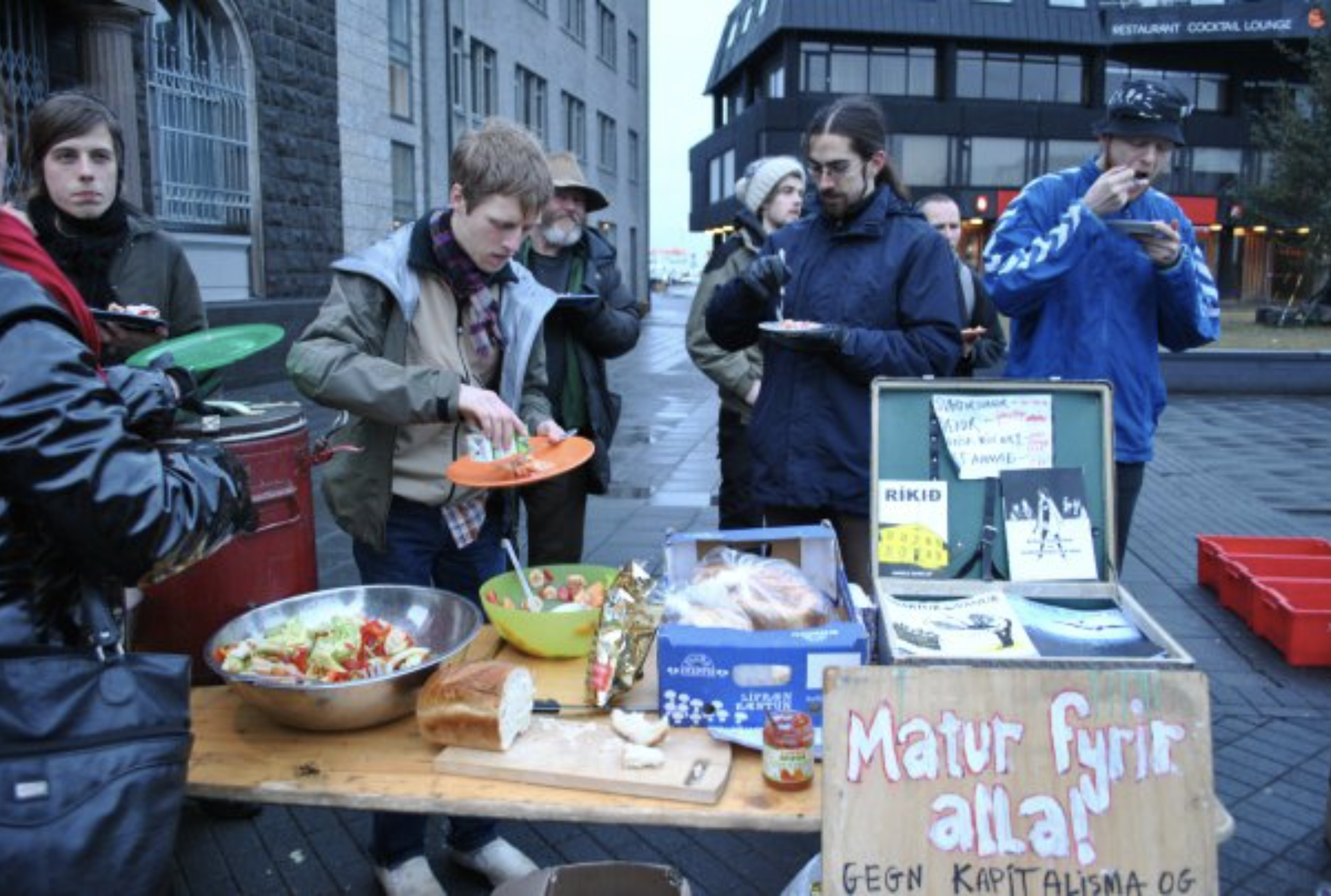
The United States wasn’t the only country suffering from the 2008 economic crisis. I was invited to speak in England in 2010 and found that the least expensive flights to the British Isles were on Icelandic Air. The airline encouraged its passengers to spend as much time in the country as you wished with no increase in airfare so I spent a week visiting the local Reykjavik chapter of Food Not Bombs. I joined them at their weekly meal where they described how the conversations at their Saturday lunches often turned to a discussion about the corruption that had resulted in their own 2008 economic crisis. At one point the weekly conversations turned into a weekly march to the Parliament Building.
I was invited to speak about the history and philosophy of Food Not Bombs at a local community center. During the question and answering period a reporter asked me how I felt about Food Not Bombs initiating the uprising against the bankers and central government. I was amazed. Food Not Bombs had initiated a movement that toppled a government.
The Grapevine Magazine reported “Ever since the Prime Minister’s so-called ‘Disaster Speech’ on October 6, where he outlined the crash of the Icelandic economy, a crowd has gathered outside the parliament building every Saturday afternoon to voice their discontent and demanding the resignation of the government, the Central Bank directors, and other key figures associated with the collapse.”
A young Food Not Bombs activist, Haukur Hilmarsson, climbed up onto the roof of the Parliament building and raised the pink pig emblazoned flag of the Bónus food chain where the Icelandic national flag usually flies. Bónus is a part of Jón Ásgeir Jóhannesson’s Baugur investment empire, which owns the majority of the country’s food stores as well as most of the media, and is widely seen to be one of most powerful men in the country, and a key figure in the economic crash.
Local news outlet Fréttablaðið calculated that in the past few years after the economic crisis the Icelandic judiciary had sentenced 36 bankers to a total of 96 years in prison. All of the criminal cases are linked to the notorious crash of the Icelandic banking system in 2008.
In 2011, Iceland rewrote its constitution using a uniquely open process. It reshaped the dialogue on how a population can use available technology, consensus building, and civic engagement when reinventing the governmental processes supporting the needs of their constituents.

As the global economy faces another economic crisis possibly more dire than those in 1992 and 2008 and the horrific genocide and wars continue to kill and maim, the work of Food Not Bombs has never been needed more than today.
Our 45th anniversary is a good time to consider strategies not only to meet the growing need for food but also how to use our global network to force a redirection of military spending towards funding healthcare, education, local infrastructure and social services. I believe we are creative enough to organize a coordinated campaign to disrupt the techno-fascist seeking to implement a totalitarian digital control grid with their Stargate AI warfare and surveillance. Our freedom and humanity is at risk. The bonds we have made at Food Not Bombs can provide a foundation for this resistance. This task might be more difficult than the removal of the Icelandic government but we have every reason to try.
I will be encouraging the audience at our 45th anniversary celebration in Santa Cruz to join us in initiating another mass movement against war and austerity.
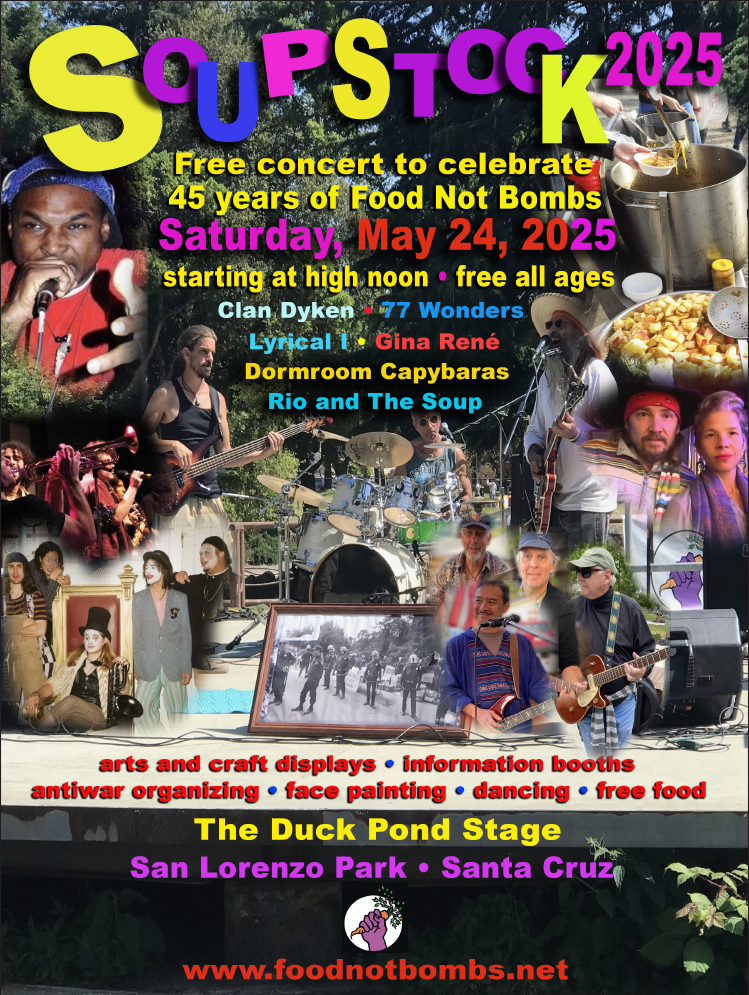
The Santa Cruz chapter of Food Not Bombs is hosting a free concert Soupstock 2025, on Saturday, May 24th at the Duck Pond Stage in San Lorenzo Park, Santa Cruz starting at high noon. This fun party features six bands, arts and craft displays, information booths, face painting, dancing and free food.
I hope you will join us in taking nonviolent direct action to not only provide meals with the hungry but to disrupt the political and economic system to force an end to the suffering. Hunger is not a game.
Food Not Bombs – PO Box 422, Santa Cruz CA 95061 USA – www.foodnotbombs.net

 Anarchistcook's Weblog